

Spinal Decompression Doctor in Jersey City, NJ
In order to relieve pain, spinal decompression therapy includes extending the spine with a traction table or other comparable motorized equipment. Both the pain itself and its underlying cause can be relieved with spinal decompression therapy. Our kind and caring team can help you find relief today. For more information, contact us or book an appointment online. We serve patients from Jersey City NJ and surrounding areas.
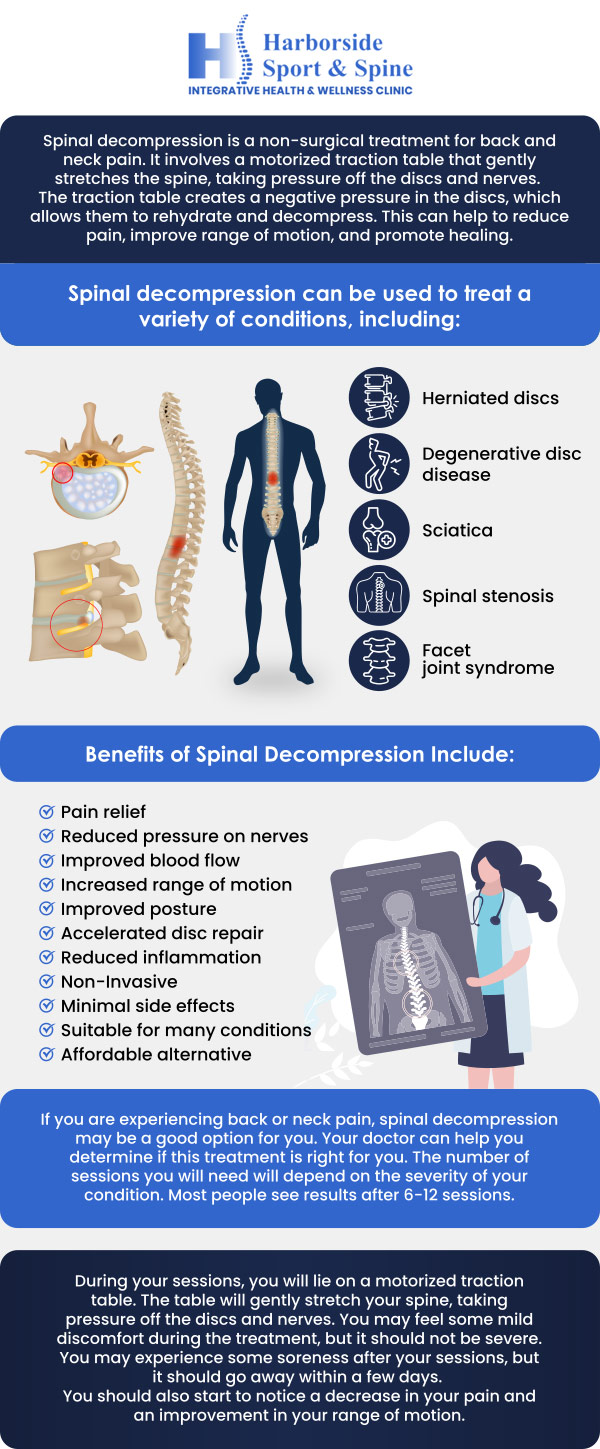
Table of Contents:
Does spinal decompression really work?
How long should you do spinal decompression?
Which sleeping position is best for lower back pain?
How can Dr. David Sylvester, DC, use spinal decompression therapy to relieve your back or neck pain?
Our backs are under a lot of pressure all throughout the day, in various positions and with varying intensities. Our backs need to stretch in order to induce proper healing within the spine. Spinal decompression is a treatment to remedy this back pain and help promote healing by decompressing the spine.
Spinal decompression therapy is a sophisticated, non-surgical treatment designed to gently relieve debilitating back and leg pain caused by compressed discs and nerves. Unlike general traction, this specialized therapy uses a computer-controlled table to stretch the spine in a precise, intermittent manner. This process creates negative pressure (a vacuum effect) within the spinal discs.
This negative pressure achieves two vital goals: it physically encourages bulging or herniated disc material to retract back into its proper place, and it pulls oxygen, water, and nutrient-rich blood into the disc space. This influx of nutrients is crucial for rehydrating the damaged discs and promoting the body’s natural healing process. At Harborside Sport & Spine in Jersey City, this gentle, targeted relief helps patients suffering from sciatica, chronic neck pain, and disc disease regain mobility and find lasting relief without surgery or medication.
Yes, spinal decompression is a highly effective, non-surgical therapy designed to alleviate debilitating leg and back pain. The treatment involves the use of a specialized traction table that gently stretches the spine to relieve pressure. This stretching action creates a vacuum effect (negative pressure) within the spinal column, which encourages pinched nerves and bulging discs to retract back into their appropriate positions.
By creating this negative space, decompression therapy not only physically moves displaced disc material back into place but also fosters an optimal healing environment. Relieving the pressure allows the injured discs to rehydrate and absorb the oxygen and essential nutrients necessary for deep tissue repair, ultimately addressing the root cause of the pain rather than just masking the symptoms.
The duration of spinal decompression therapy is highly individualized, depending entirely on your specific diagnosis and the severity of your symptoms.
Session Length: A typical spinal decompression session on the specialized table lasts a focused 15 to 20 minutes. To enhance therapeutic benefits and promote long-term stability, this treatment session will often include supplementary physical therapy and manual adjustments. When combining the decompression treatment with necessary physical therapy and rehabilitation exercises, the total time for your visit usually takes 45 to 60 minutes.
Program Length: The overall length of your treatment program is determined by a thorough pre-treatment physical evaluation. While many patients experience immediate and substantial relief after just a few treatments, achieving the best and most lasting outcomes requires a consistent series of visits. Your customized treatment plan—spanning the appropriate number of weeks—will be designed to ensure the injured discs have sufficient time to fully rehydrate and heal.
Here are a few tips to help you adjust yourself to get a good night’s sleep:
Adjust Your Sleep Posture — The position in which you sleep is one of the more important factors when trying to get a good night’s rest with back pain. You want to keep your spine in a neutral position and be conscious of your spine’s position during your resting state. The best sleeping positions for your lower back are flat on your back and on your side.
Sleeping on the back:
This is the best sleeping posture because it helps to evenly distribute weight across the body, reduces the number of pressure points that you might experience from side sleeping, and keeps the alignment of your internal organs in check.
Sleeping on the side:
It’s fairly easy to get your mid-neck aligned with your pelvis and shoulders, so this position is excellent for your lower back. It’s best to use a pillow that is thick enough to allow your head and neck to be positioned in the middle of your shoulders.
If you sleep on your stomach:
This position places additional stress on the muscles of your neck, so it’s best to avoid it altogether. Try to either use a very thin pillow or skip using a pillow altogether, if you cannot avoid this position.
Be Mindful of How You Get in and Out of Bed — Climbing into bed too quickly or getting up too fast can exacerbate lower back pain, so make sure you’re careful. First sit down on the bed near the place where you want to sleep. Bend your knees and slowly lie down on your side while using your hands as support. Take care to keep your torso straight. You basically want to do the opposite getting out of bed as you would climbing into bed. Roll onto your side towards the edge of the bed and use your arms to help push yourself up while swinging your legs over the side of the bed. This will help you keep from engaging your back by bending at your waist.
Use Hot or Cold Therapy Before Bed — Using a hot or cold compress on your back can help sooth your pain. This could include taking a warm shower or hot bath, using a cold gel pack applied to your back, or using a heating pad on the affected area for 15-20 minutes.
Hot or cold therapy can promote relief and help reduce inflammation caused by lower back pain. Generally, ice is better in the first 72 hours while heat is better for longer chronic back pain.
Find the Best Mattress and Pillows for Your Back — There is not one true type of mattress or pillow that will work for everyone with lower back pain, much like sleeping positions. Some people have great results from a firmer mattress while others need something a little softer to alleviate pain. Middle-of-the-road firmness seems to work best, although research on firm versus soft mattresses is inconclusive.
If you are experiencing back pain or can feel the tension in your spine, then spinal decompression therapy could be the answer for your ailments! At Harborside Sport & Spine, we have back pain experts to help you alleviate your pain!
Spinal decompression therapy is a non-surgical, gentle technique used to relieve pressure on spinal discs and nerves—often effective for conditions like herniated discs, sciatica, and chronic neck or lower back pain. At Harborside Sport & Spine in Jersey City, David Sylvester DC, uses this targeted therapy to create space between the vertebrae, reduce disc bulging, and improve circulation to the affected area.
Dr. Sylvester begins with a comprehensive exam to determine if you’re a good candidate for decompression therapy.
He then creates a personalized treatment plan that may combine spinal decompression with chiropractic care, corrective exercises, and soft tissue techniques to maximize healing. Many patients report noticeable relief after just a few sessions. At Harborside Sport & Spine, the goal is long-term recovery, not just temporary relief. If you’re struggling with persistent spinal pain, spinal decompression therapy under Dr. Sylvester’s care could be your path to lasting comfort and mobility. Contact our office today to get in touch with a specialist or book an appointment online! We serve patients from Jersey City NJ, Hoboken NJ, Weehawken NJ, West New York NJ, Guttenberg NJ, Secaucus NJ, Harrison NJ, Kearny NJ, Newark NJ, Belleville NJ, Lyndhurst NJ, East Orange NJ and Elizabeth NJ.
Check Out Our 5 Star Reviews

Chiropractic and Physical Therapy Services
▸ Chiropractic
▸ Physical Therapy
▸ Massage Therapy
▸ Acupuncture
▸ Spinal Decompression
▸ Prenatal Chiropractor
▸ Ear Infections
▸ Foot Pain
▸ Headaches
▸ Scoliosis
▸ Slipped Disc
▸ Sprained Ankles
▸ Stress
▸ Frozen Shoulder
▸ Osteoporosis
▸ Shoulder Pain





 Send Text
 How May I Help You?